
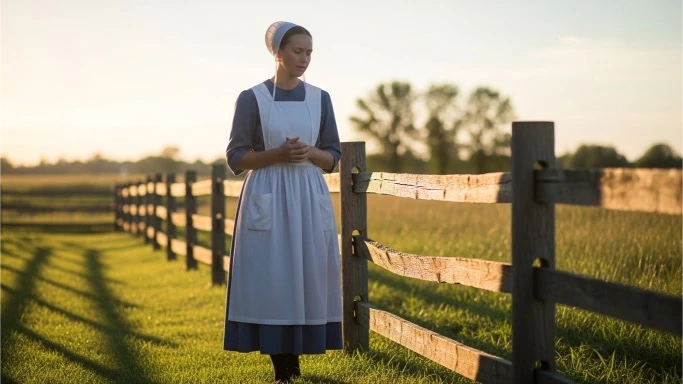
If you’ve ever watched an Amish woman walk across a farmyard or seen a group of Amish men working together in quiet rhythm, you’ve likely noticed something beyond their calm presence—their clothing. Plain, modest, and unchanging, Amish dress often draws curiosity. Many people wonder: Why do the Amish dress this way? What does it mean?
The answer is far richer than “tradition” or “rules.” Amish clothing is faith made visible. It reflects humility, identity, community, and obedience to God. It also serves as a gentle reminder—both to themselves and to the world—of what the Amish value most: simplicity, honesty, modesty, and unity.
As we explore the meaning behind Amish clothing, you’ll discover that every button, every color, every stitch has something to teach us about living with intention.
For another look at how Amish values shape daily life, explore Amish Women: The Heart of Faith, Family, and Simple Living.
Why Plain Clothing Matters — Faith Expressed Through Simplicity
For the Amish, clothing isn’t a fashion statement. It’s a spiritual practice. Plain dress reflects the belief that life should focus on God and community—not on personal attention or vanity.
This commitment comes from centuries-old Christian teachings on modesty, humility, and separation from the world. The Amish interpret those teachings literally, choosing clothing that avoids pride and encourages equality.
Plain dress also creates a sense of belonging. When an Amish person gets dressed each morning, they step into a tradition shared across generations. Clothes become a reminder: I am part of something bigger than myself.
A thoughtful explanation of Amish modesty and religious separation appears in research published by the Young Center for Anabaptist and Pietist Studies.
The Meaning Behind Amish Women’s Clothing
Amish women wear long dresses with capes and aprons, along with bonnets or head coverings. Each piece has a purpose rooted in Scripture and community values.
• The Dress
Always modest, always simple. It avoids patterns, bright colors, or decorative elements. The length and cut reflect humility and respect.
• The Cape and Apron
These add modesty and protect the dress during work. They symbolize service and practicality—two virtues central to Amish womanhood.
• The Prayer Covering (Kapp)
Perhaps the most meaningful item. The white covering represents obedience to God’s command in 1 Corinthians 11 for women to cover their heads during prayer. Amish women believe prayer is continuous, so the covering stays on throughout the day.
• Colors
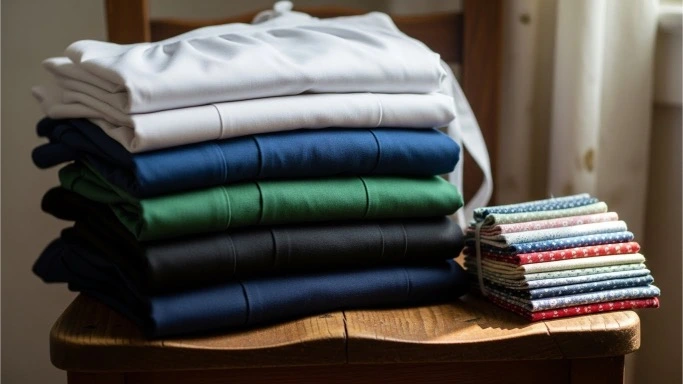
Most districts allow dark colors—navy, burgundy, brown, green. These tones avoid vanity and keep attention on character, not appearance.
Amish women don’t compete through fashion, accessories, or trends. Their identity isn’t tied to clothing—it’s tied to faith.
To go deeper into Amish values expressed through daily practices, see Spiritual Practices of the Amish People: Prayer, Church, and Silence.
The Symbolism in Amish Men’s Clothing
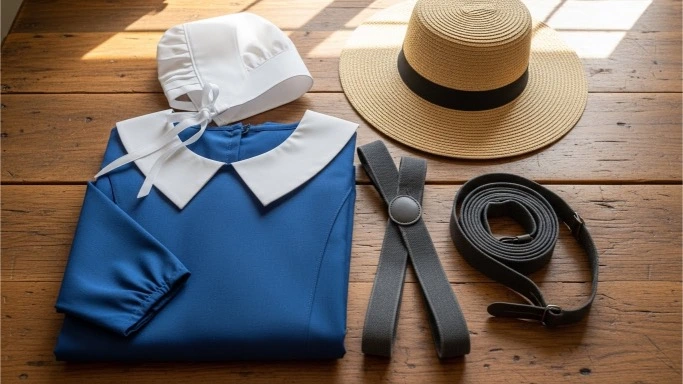
Amish men dress plainly too—but their clothing carries meaning that’s equally spiritual.
• The Broadfall Trousers
These trousers close with buttons instead of zippers (often considered worldly or decorative). The simple design honors tradition and modesty.
• Suspenders
Functional and humble, suspenders replace belts, which some Amish groups see as symbols of pride or status.
• The Shirt
Usually solid-colored in blue, green, or white. No logos. No patterns. Nothing that draws attention.
• The Hat
Straw hats in summer and black felt hats in winter. For men, hats reflect maturity, respect, and separation from mainstream fashion. Married men often wear slightly different styles than single men.
• The Beard
Amish men grow beards after marriage—not for style, but to symbolize humility, maturity, and commitment.
For the full meaning, explore Amish Beard Explained: The Enduring Meaning of the Amish Look.
Men’s clothing shows discipline and self-control—virtues the Amish cultivate from youth.
A cultural overview of Amish men’s attire appears in the Global Anabaptist Mennonite Encyclopedia.
Clothing as a Community Identity — “We Dress the Same Because We Stand Together”
One of the most powerful aspects of Amish clothing is the way it reinforces unity. In a world where fashion is used to express individuality, the Amish choose clothing that expresses community identity instead.
Plain dress sends a message:
“We stand with one another. We honor our shared values.”
Wearing similar clothing reduces social pressure, keeps status differences low, and encourages focus on relationships rather than appearance. Children grow up understanding that worth doesn’t depend on clothes, brands, or trends—but on character.
This shared identity strengthens the sense of belonging that defines Amish life.
For another example of how unity shapes Amish choices, explore Mennonites vs Amish Now: How Faith Keeps Two Traditions Alive.
Why Amish Clothing Rejects Fashion Trends
Fashion changes quickly, often encouraging competition, comparison, and pride. The Amish reject this for spiritual reasons, they believe clothing should encourage humility, not vanity.
Plain clothing reduces:
- pressure to impress
- temptation toward pride
- financial waste
- social rankings based on appearance
Instead, it supports contentment and peace. Amish people often say that dressing plainly frees the mind from unnecessary distractions. It allows more space for family, work, prayer, and gratitude.
Handmade With Care — Clothing as Daily Devotion
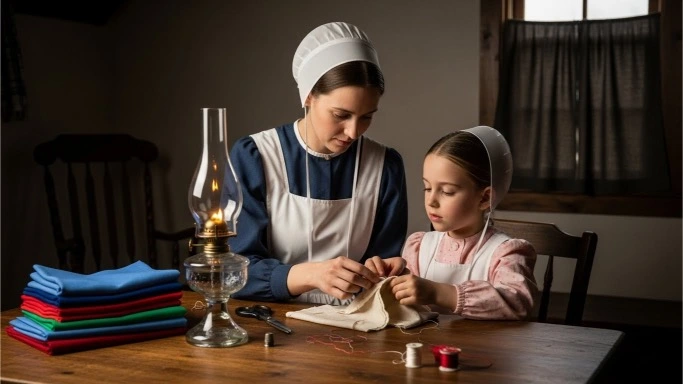
One of the most beautiful truths about Amish clothing is this: most pieces are handmade at home. Dresses, capes, aprons, shirts, trousers, and even many coats are sewn by mothers, grandmothers, or older daughters. A sewing machine may be used, depending on the district, but everything start-to-finish reflects patience and devotion.
Sewing clothing is not simply a task, it is an expression of love. Every hem and seam reminds the family of the person who made it. Children grow up watching their mothers take measurements, cut fabric, and stitch pieces together with steady hands. This quiet ritual becomes part of their memory, part of their identity.
And while store-bought fabric is used today, the meaning behind the clothing remains deeply spiritual:
“What we wear should reflect our hearts, not the trends around us.”
For another example of how Amish families center their lives on quiet devotion, visit Raising Children the Amish Way: Faith, Work, and Togetherness.
The Discipline of Modesty — A Lifestyle of Humility
Modesty isn’t just about covering the body—it is about quieting the ego. Amish dress reinforces a lifelong discipline to avoid attention-seeking behavior. The clothing gently reminds the wearer to act with humility, to focus on kindness, and to live peacefully with others.
Amish modesty includes:
- avoiding decorative patterns
- avoiding jewelry
- limiting bright colors
- choosing practical designs
- keeping hair simple
These decisions may seem small, but together they form a lifestyle that encourages inner beauty over outer display.
Modesty also protects emotional well-being. Without pressure to follow trends, buy expensive clothes, or compete through appearance, Amish individuals experience freedom that many modern people long for.
A cultural psychology discussion of modest dress as emotional grounding is explored in a research-based article published by Psychology Today.
Color Rules and Symbolism — Why Simplicity Still Speaks Loudly
The Amish do wear color, but not in the way many imagine. Each district sets guidelines, and most families follow them closely.
Common colors include:
- navy
- forest green
- wine
- deep purple
- brown
- black
- medium blue
Bright or bold colors (scarlet, hot pink, neon tones) are avoided, not because color is sinful, but because it risks drawing unnecessary attention.
For women, the prayer covering is always white. For men, black hats symbolize adulthood and responsibility. These color choices reinforce stability and continuity, reminding each generation where they come from.
Color expresses unity—not individuality—and this brings peace rather than pressure. A person does not need to impress others; their clothing quietly expresses their shared values.
See how Amish tradition also influences family gatherings and celebrations in Amish Weddings: A Personal Experience of Simple, Beautiful Joy.
Clothing as a Boundary — “In the World, But Not of It”
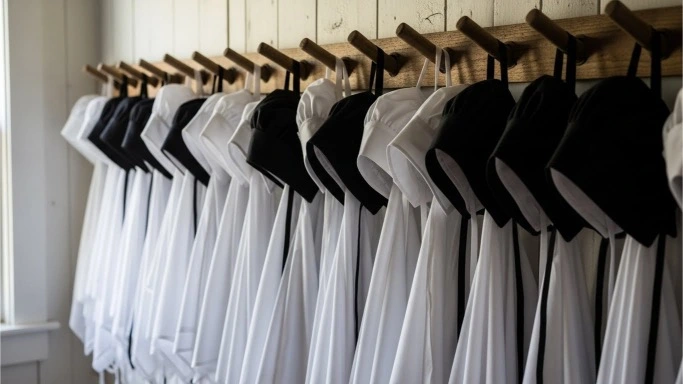
Amish clothing serves a spiritual purpose beyond modesty,it marks the boundary between the church community and the outside world. This sense of separation is not meant to judge others. Instead, it functions as a daily reminder to avoid pride, luxury, and worldliness.
The Amish understand clothing as a quiet fence:
- a protection against vanity
- a reminder of obedience
- a signal of shared belief
- a safeguard against individualism
Plain dress acts as a shield from trends that may conflict with spiritual values. It reinforces a steady, peaceful life that resists the fast pace of modern culture.
Gender, Faith, and Responsibility — Clothing as a Spiritual Reminder
In Amish life, clothing also reflects spiritual roles rooted in Scripture. While the modern world sometimes misinterprets this as restriction, Amish families understand it as responsibility and service.
For Women
- The prayer covering symbolizes devotion and obedience to God.
- The dress and apron reflect humility and caregiving roles.
- Simplicity prevents competition and fosters inner stillness.
For Men
- The beard represents maturity and marital commitment.
- Plain shirts and trousers symbolize work, service, and leadership through example.
- The hat signifies respect and readiness to serve community and family.
Clothing does not determine worth—faith does. Yet clothing acts as a gentle teacher, reinforcing values that guide daily life.
For a deeper look at Amish men’s spiritual identity, read Amish Men Through Generations: Preserving Faith in a Modern World.
Rumspringa and Clothing — A Test of Identity
During Rumspringa, teens may experiment with clothing that differs from their traditional dress. Some wear brighter colors, patterned shirts, or modern fashion. This period helps them understand the difference between personal preference and community commitment.
When they choose baptism—usually between ages 17–22—they also choose to embrace plain dress for life. That decision carries deep emotional meaning:
“I choose faith. I choose community. I choose simplicity.”
Whether or not they experimented, most young adults return to the clothing of their upbringing because it feels like home.
Clothing and Emotional Peace — The Hidden Gift of Plain Dress
Plain clothing doesn’t just shape outward appearance—it affects emotional well-being. Many psychologists discuss how simple, uniform clothing can reduce:
- anxiety caused by comparison
- decision fatigue
- social pressure
- materialistic stress
- body-image concerns
The Amish understand this intuitively. They dress in a way that protects the mind from unnecessary noise. In a world where fashion often drives insecurity, plain dress offers peace.
A gentle psychological perspective on simplicity and mental calm appears in The Conversation.
https://theconversation.com/how-simple-clothing-reduces-stress-135759
Passing Down Tradition — How Clothing Connects Generations
Plain clothing isn’t just a rule or a habit; it’s a thread woven through Amish generations. A young girl often learns to sew from her mother or grandmother. A boy receives his first hat or suspenders with a sense of pride. Clothing becomes a bridge between past and present, reminding children that they belong to a long, steady line of believers.
When a mother teaches her daughter to cut, stitch, and hem a dress, she shares more than a skill. She passes down values—patience, modesty, and faithfulness. When a father teaches his son how to care for his hat or mend his trousers, he teaches responsibility and respect.
Clothing helps preserve the identity of the Amish community. It protects the culture against trends that come and go, offering instead a stable symbol of faith that lasts.
The Takeaway — A Quiet Faith Woven Into Every Stitch
Amish clothing may look simple, but its meaning runs deep. Every dress, shirt, bonnet, and pair of trousers reflects a commitment to humility, unity, and devotion to God. Clothing becomes a visual reminder of spiritual promises, a way to live faith outwardly, quietly, and consistently.
In a world filled with constant noise, change, and pressure to stand out, Amish clothing whispers a different truth:
“Stay steady. Stay humble. Stay close to what matters.”
Whether it’s a young girl tying her apron or an elder smoothing his straw hat before stepping outside, the message remains the same. Plain dress isn’t small—it’s powerful. It holds the weight of identity, the strength of community, and the beauty of choosing a life shaped by faith.